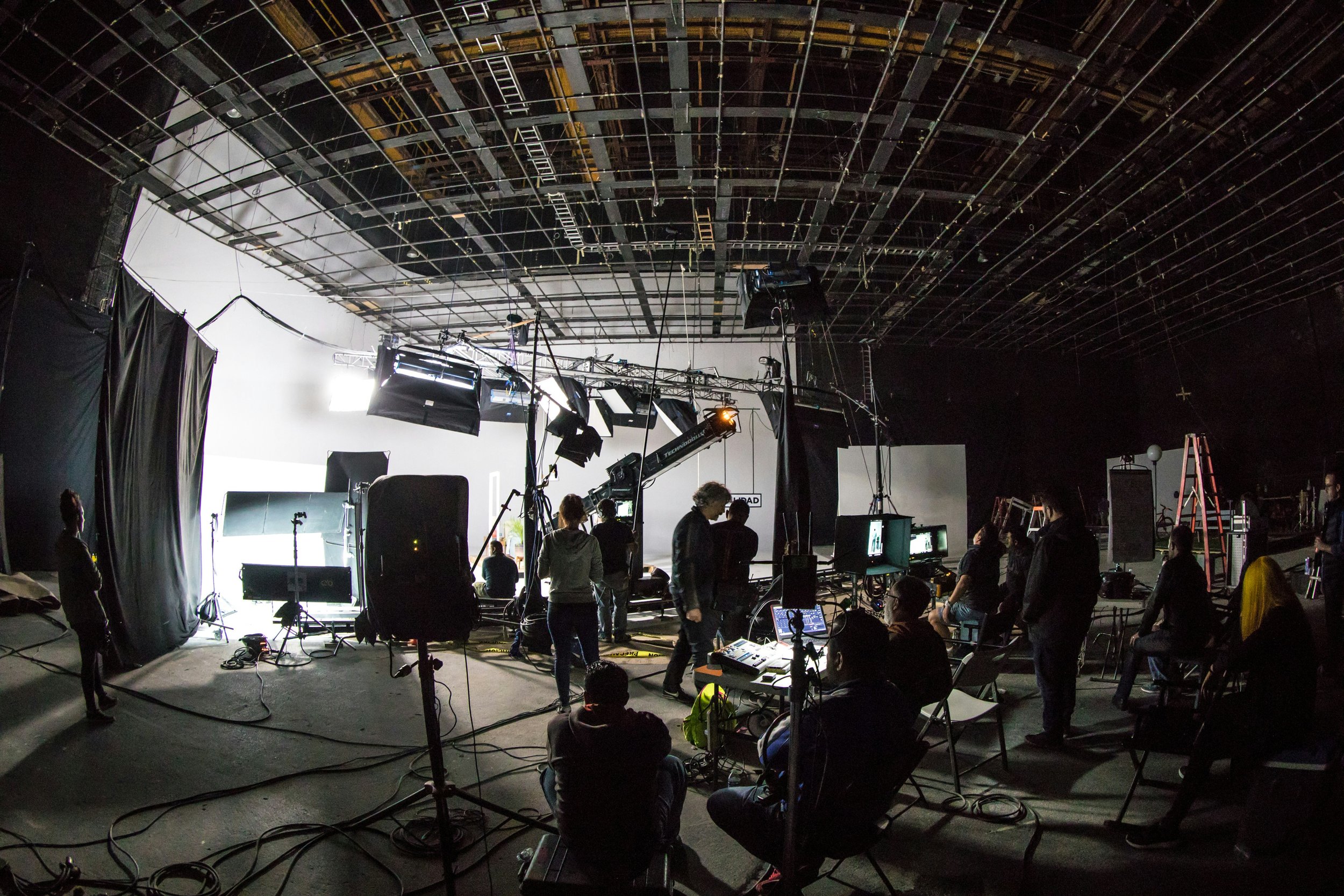
Legal Representation for Brooklyn and NYC Film and Television Professionals
Among all the various types of entertainment, film and television covers perhaps the broadest range of legal issues, incorporating everything from financing to staging to design and including production, talent, staff, writers, and post-production.
Lindsey Rubinstein is a trained videographer with experience in the field of pre-production, production, and post-production, giving her the advantage of personal experience in thinking about the tools you might need to succeed in your practice.
Expand Law PLLC represents:
Producers, directors, and screenwriters
Actors, performers and other talent
Emerging digital media organizations
Our representation can be comprehensive. We love working with indie filmmakers in helping them bring ideas to life.
Expand Law will draft, review and negotiate all types of film agreements, which may include:
Development agreements
Co-production agreements
Licensing agreements
Merchandising agreements
Talent and attachment agreements
Screenwriting agreements
Option (or literary purchase) agreements and chain of title
Director agreements and works made for hire
Composer agreements
Employment agreements
Location releases
Music rights licenses
Copyright permissions
Product placement and disclosures
Distribution or syndication agreements
Submitting Work Proposals in Film and Television
Getting your project off the ground can be a sensitive process.
It begins with putting together proposals for different investors and financing opportunities. You have spent a lot of time and effort honing your craft and putting together a coherent idea and proposal. It is important that you are protected when putting this proposal into the world so that your idea isn’t taken and produced without you or without providing for compensation.
At Expand Law, Lindsey Rubinstein helps her clients keep their ideas safe while making these submissions while also increasing the chances that her clients receive full and well-rounded offers.
FAQ:
What types of contracts do I need to produce my film or television show?
In the production of your vision, there will be many contracts along the way. The initial set of contracts are pre-production contracts.
Pre-production contracts are any agreements you might need to have with individuals or stakeholders to ensure their satisfaction and safety and entice them to create your vision with you. These contracts are very important to establish chain of title, which you will absolutely need to demonstrate who owns the rights to the scripts, music, and finished product. They also mitigate risk on your behalf, clearly outline the obligations of your talent, investors, producers, and distributors, and protect various stakeholders from injury or financial loss.
Pre-production documents might include:
Letters of Intent or Interest (which provide a guide for the final contracting phase and may be used to secure financing commitments and talent agreements)
Agreements with producers, directors, and writers related to salary, fees, creative control, profit-sharing, and timeline
Option agreements or purchase agreements securing rights to any underlying work
Why is it important to have a production contract?
Your production contracts are agreements you have with the people during the production phase of your film, including:
Talent agreements
Location releases
Equipment rentals
Artwork releases
Crew deals and union agreements
Having these agreements in place is imperative because they protect the people who are working to bring the vision to life. They define the rights, responsibilities, and pay for the people involved in creating this piece. They also save a lot of time, money, and headache in the long run because they prevent ownership and credit disputes and distribution challenges.
Your set may only be as happy as the people on it. That is why you should work with an entertainment attorney to make sure everyone is satisfied, which frees people to put their best creative foot forward.
How can I ensure that my piece is finished and ready for showing on a reasonable timeline?
The various agreements you have at different stages of production will help you ensure a proper timeline for the finalization and distribution of the work.
For example, in the pre-production stage, a director’s agreement should have a timeline for the director’s cut.
Your production, distribution and financing agreements will clarify price, compensation, and timeline for the distribution of the work, and it is important to make sure these are consistent across the board to prevent bottlenecking in one area.
If you have components like VFX, your agreements with your vendors will also help maintain a consistent timeline for delivery of the product.
Who owns the rights to merchandise my film or television show?
Who owns the rights to merchandise the film or television show will all depend on how your contracts are drafted and worded.
Expand Law will work with you to draft, review, and negotiate contracts that clearly spell out who owns the rights and who makes the decisions regarding merchandising. It starts with your chain of title and copyright, enabling you to sell or license rights that outline specific uses for your product and providing you with the ability to say no if a use is inconsistent with how you want the work to be portrayed.
Brooklyn Attorney for Film Professionals
Whether your specific creative vision is a documentary, a feature, an animation, or an independent film, whatever your passion, it is imperative that you have contracts in place that reflect your goals and creative vision.
Not only does having clear, protective contracts in place help you develop your piece, it also signals to other professionals in the industry that you are professional and maintain a positive working creative relationship with the people working to bring your vision to life.
If you are working in the industry, it will inevitably come up that you will have contracts to review, or you will be expected to offer contracts to the other creatives, including writers, directors, producers, and talent, who are helping bring your vision to life.
Having an attorney like Expand Law helps you put together a package that enables you to secure deals that you might otherwise be passed up for. We will make sure your paperwork protects you and puts your best foot forward so you can continue to earn opportunities to make the work that matters to you.
NYC Television Professionals
Lindsey Rubinstein represents talent, directors, and writers in the drafting and negotiation of agreements with studios and networks. These agreements may touch on development and production, talent agreements, crew agreements, options, life-story rights, and location and materials releases.
We help clients with development of nonscripted and scripted shows, branding, talk shows, and reality TV.
We also assist in the licensing of music, books, films, photos and other media for your project.
Let’s Talk
Enter your name, contact information, and a brief description of your situation, and I will reach out to schedule your consultation.